
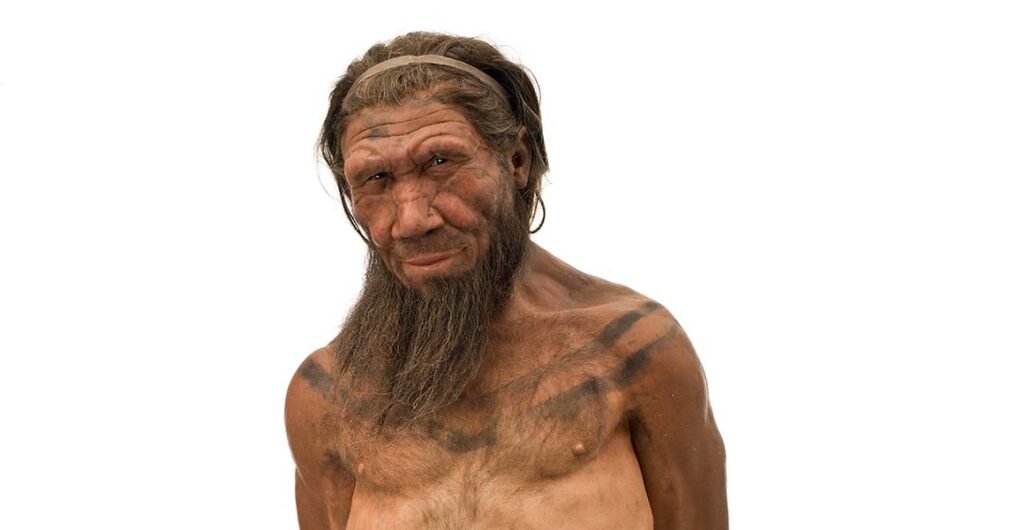
Genetic Time Capsule X Chromosome Study Reveals Secret Interbreeding History of Humans and Neanderthals
A groundbreaking genomic analysis of three female Neanderthals spanning 70,000 years has uncovered a surprising disparity in how DNA was exchanged between our ancestors. Published in the journal Science, the study reveals that while much of the Neanderthal genome remained distinct, their X chromosomes contained 62% more modern human DNA than their other chromosomes. This genetic imbalance suggests a specific social directionality in ancient interbreeding: it appears that Neanderthal males mated with modern human females far more frequently than the reverse. This discovery provides a rare glimpse into the behavioral dynamics of prehistoric populations that lived over 100,000 years ago.
Closer to home, research conducted by the National Institute of Biomedical Genomics in Kalyani found that modern Indian populations carry between 1.9% and 2.5% Neanderthal DNA, with the highest concentrations appearing in Northeast communities. This data challenges the long-standing narrative that Neanderthals simply went extinct due to violence or natural selection. Instead, the high levels of human DNA found in later Neanderthal specimens suggest a process of “absorption,” where the smaller Neanderthal population was gradually integrated into the much larger human groups through generations of interbreeding, effectively living on within our own genetic code.