
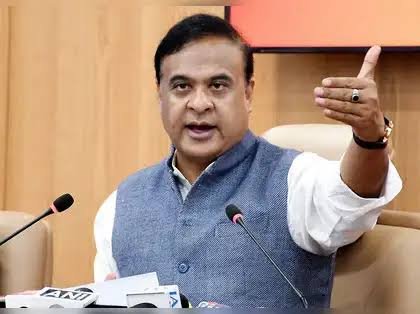
Assam UCC Will Ensure Equal Rights, Tribal Communities to Remain Exempt: Himanta Biswa Sarma
Assam Chief Minister Himanta Biswa Sarma on Friday said the proposed Uniform Civil Code (UCC) in Assam would ensure equal application of laws for all citizens while safeguarding the rights of women and children.
In a post on X, Sarma said the proposed legislation aims to establish a uniform legal framework in matters relating to marriage, divorce, succession and live-in relationships.
“The Uniform Civil Code in Assam will ensure equal application of the rule of law for everyone and guarantee fair rights to all, especially women and children,” the Chief Minister stated.
He clarified that Janjatiya and Adivasi communities in the state would remain fully exempt from the ambit of the UCC in order to preserve their traditional customs and social practices.
The announcement comes shortly after the Assam Cabinet approved the implementation of the Uniform Civil Code during the first meeting of the new government.
Highlighting key features of the proposed law, Sarma said the UCC is based on the principle of “one state, one law” and seeks to create a common legal system for personal matters.
Under the proposed provisions, the legal age of marriage would be fixed at 18 years for women and 21 years for men. The draft law also proposes mandatory registration of marriages and live-in relationships within 60 days.
The Chief Minister further said the code would ensure equal inheritance rights for spouses, children and parents, while women in marriages and live-in relationships would receive explicit maintenance rights.
He added that all children would be granted legal legitimacy and custody of children below five years of age would primarily remain with the mother.
According to Sarma, the proposed law would also contain provisions for penalties in cases of false declarations in order to maintain the integrity of legal records.
The Chief Minister said the draft UCC Bill is expected to be introduced in the Assam Assembly on May 26.
The proposed legislation is likely to address issues such as minimum age of marriage, prohibition of polygamy, equal property rights for daughters, succession, marriage registration, divorce and live-in relationships.