
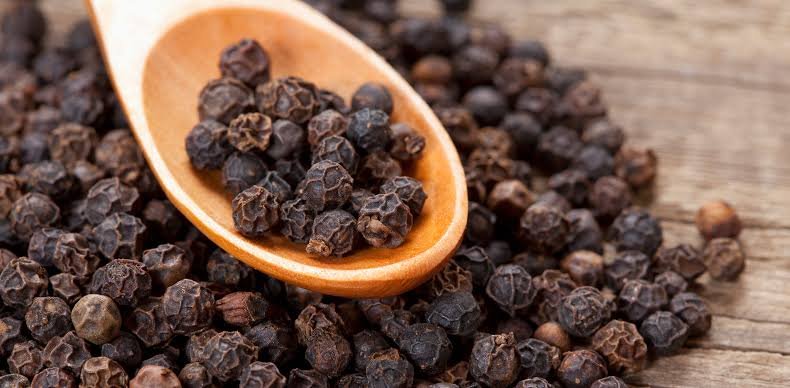
Assam’s Tea Farmers Spice Up Income with Black Pepper Boom
The climate and soil of Assam are highly favorable for black pepper cultivation. According to statistics from the Directorate of Arecanut and Spices Development, black pepper production in Assam was approximately 2,844 metric tonnes in 2023-24. While there is a projection for a slight decrease to 1,617 metric tonnes in 2024-25 due to weather factors, the overall trend is toward expansion. Small tea growers are moving away from relying solely on tea. By planting black pepper vines alongside tea bushes or using existing trees (like arecanut/betel nut) as support, they are creating a multi-cropping system. Cultivation is picking up speed in districts like Golaghat, Jorhat, Kamrup, Nagaon, Biswanath, and Dhubri. In these areas, tea gardens are being integrated with black pepper plants. Farmers note that black pepper requires relatively low additional investment but offers high market returns. One farmer mentioned that black pepper can be grown in the same space as tea and arecanut, effectively doubling or tripling the utility of the land. Many growers are planting pepper vines at the base of arecanut trees within their tea gardens. This “mixed cropping” ensures that even if tea prices fluctuate, the pepper harvest provides a financial safety net. Despite the potential, farmers are calling for more scientific training, quality saplings, and better market links. They believe that with proper government support and scientific processing (like better drying and packaging techniques), Assam’s black pepper could compete strongly in the national and international markets.
The article paints a picture of a “spicy” revolution in Assam’s tea belts. It suggests that black pepper isn’t just a side crop anymore; it’s becoming a vital insurance policy for small-scale farmers looking to stabilize their livelihoods against the volatile tea market.